



Slavery and freedom. Democracy and opportunity. Rights and responsibility.
Immerse yourself in an extraordinary community of Utopian abolitionists and reformers of the 1840's.
The Northampton Association of Education and Industry (NAEI) was the name of an idealistic community whose members included Sojourner Truth. Their effort to practice equality of women and men, Black and White people, work and learning remains relevant to today.
Radical Equality
Radical Equality is one of a collection of online exhibits by the Collaborative’s Emerging America program. Each exhibit showcases gems from the collections of Massachusetts museums and models strategies to engage learners through compelling stories and source materials. Emerging America created and cultivated the site from 2006-2026.
- Background on the NAEI
- Teachers - (Teachers Alternate Page)
- Cast of Characters - (Cast of Characters Alternate Page)
- Video Tour
- Sources - (Primary Sources Alternate Page)
- Acknowledgements
Ongoing Work on the Northampton Association of Education and Industry
While Emerging America will no longer update this online exhibit, our partners continue with exciting programs.
Emerging America offers profound thanks to Historic Northampton for sharing these invaluable sources and for their enduring help and support through the years. See their website for online resources and programs.
Also check out the extensive resources on the NAEI on the David Ruggles Center website. The Ruggles Center offers teacher workshops and tours of NAEI sites.
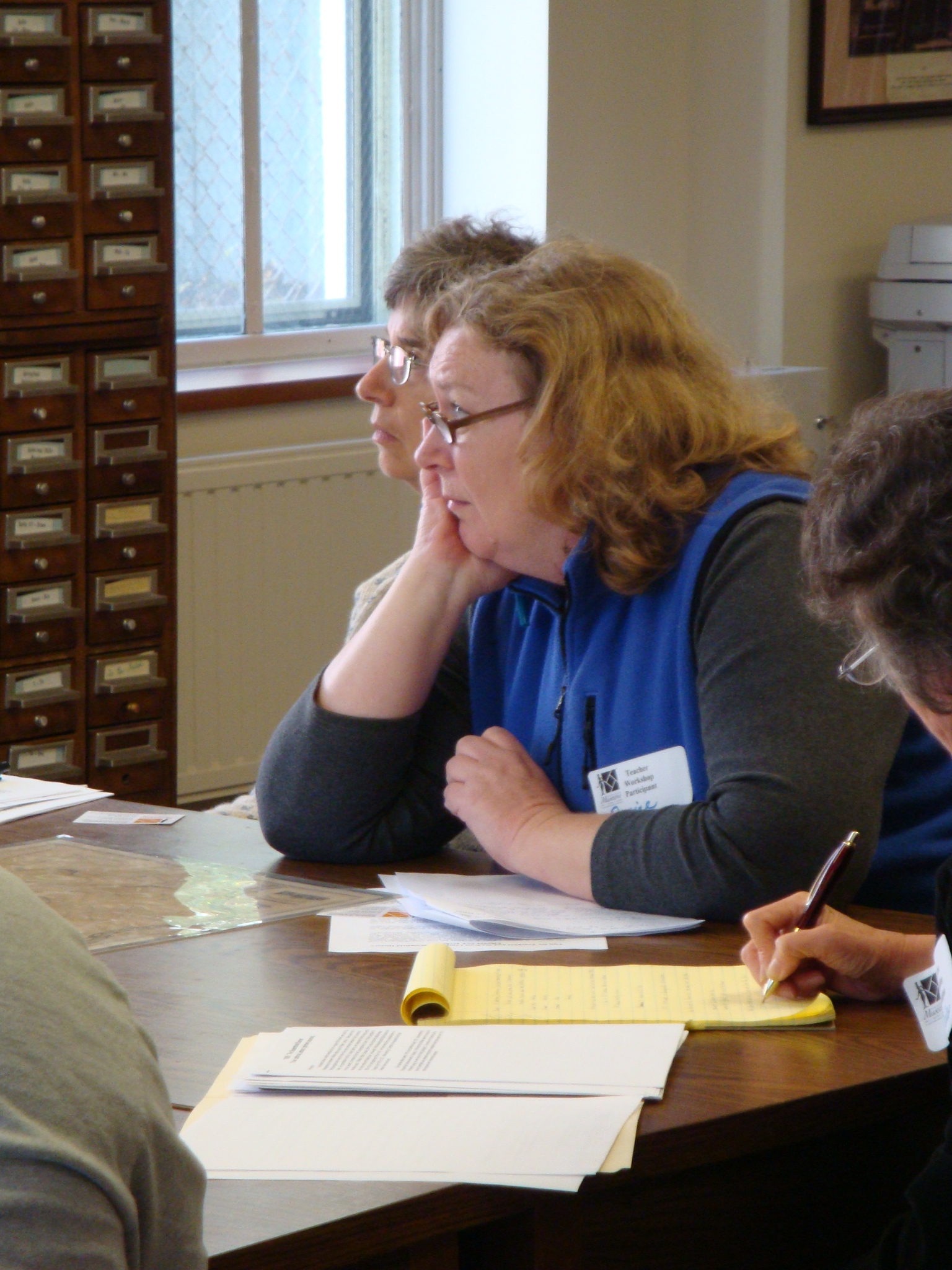
Two online inquiries present primary sources, stimulating questions, and engaging tools of analysis
Learn how the visionaries of the NAEI played vital roles in the struggle to end slavery in America
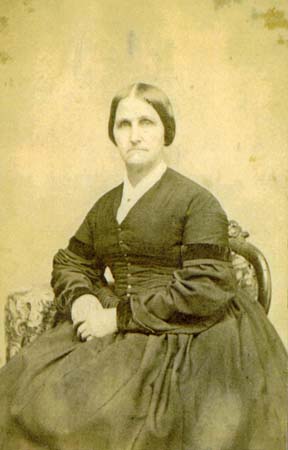
Get to know the individuals and locations critical to the evolution of the NAEI and this time period
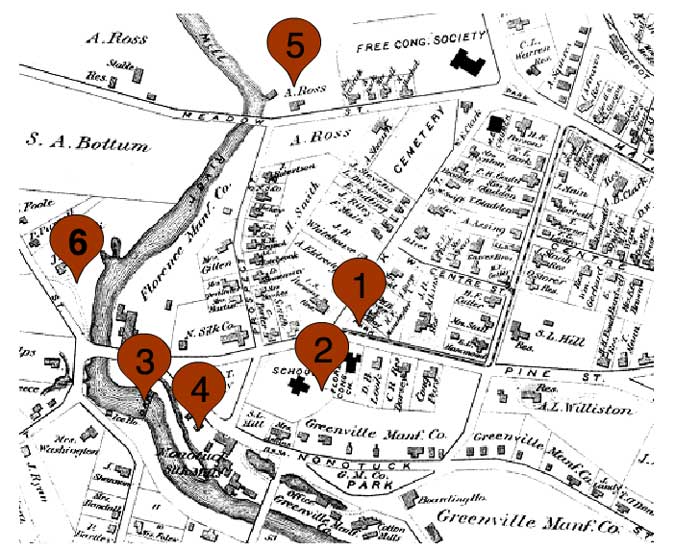
Visit NAEI through a video walking tour, also experience the difficult art of reeling silk fibers
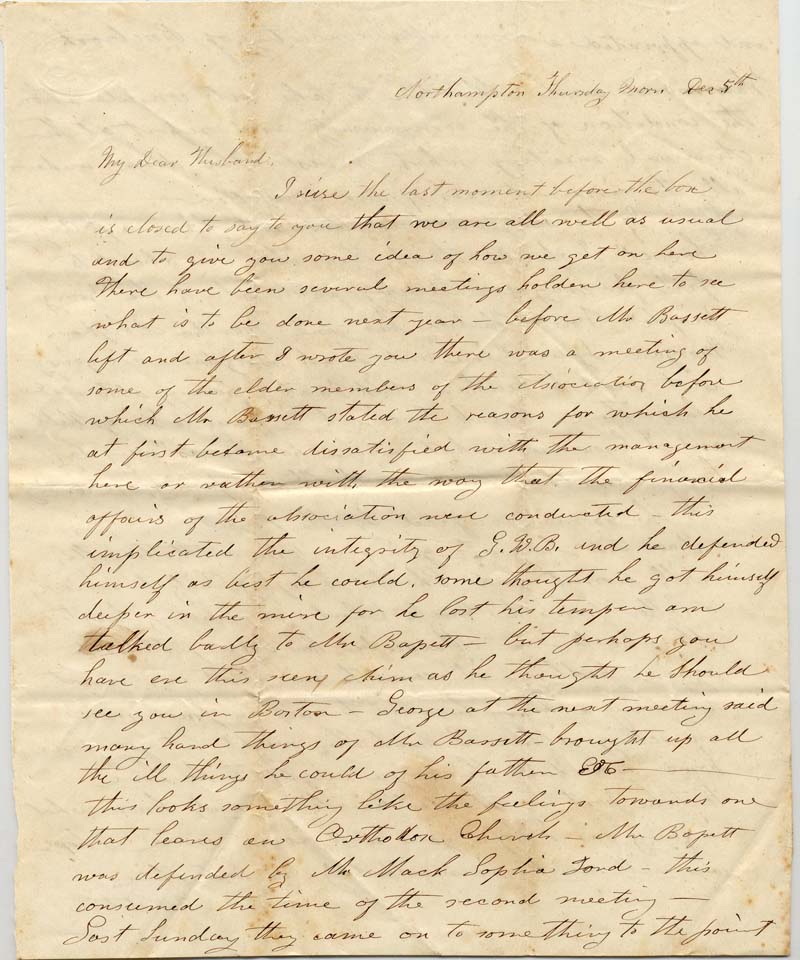
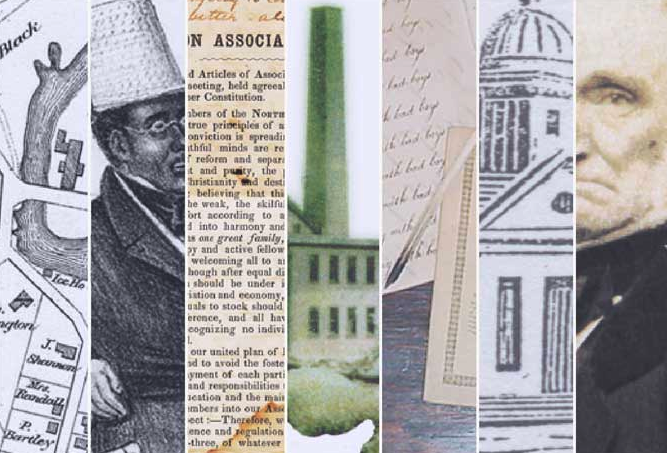
Explore the work of the NAEI from 1842-1846 through historic pictures, maps, letters, newspaper articles, advertisements, speeches, and book excerpts