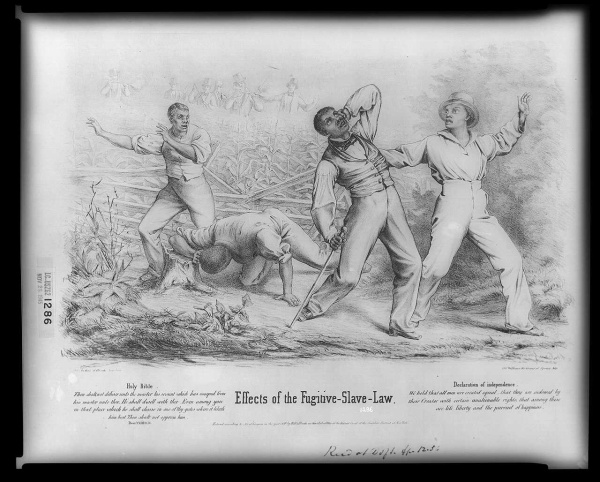
The Fugitive Slave Act of 1850 allowed for the capture and return of runaway slaves. Northerner legislatures passed laws in an attempt to reduce the impact of the FSA and how the work of the Underground Railroad (UGRR) was impacted. Students will learn how the Fugitive Slave Act of 1850 (FSA) changed perspectives of Northerners and the ultimate destination of the fugitives themselves. Students…
Welcome to the Emerging America resource library. Browse our ever-growing collection of primary source sets, lesson plans, classroom assessments, and more, developed by teachers and edited for quality and consistency. Use the controls in the blue box to search and filter by Type, Subject, Time Period, and Grade Level.
NOTE: Use the website search engine (above) to find resources–such as apps and curriculum from other organizations–that appear only in the blog.
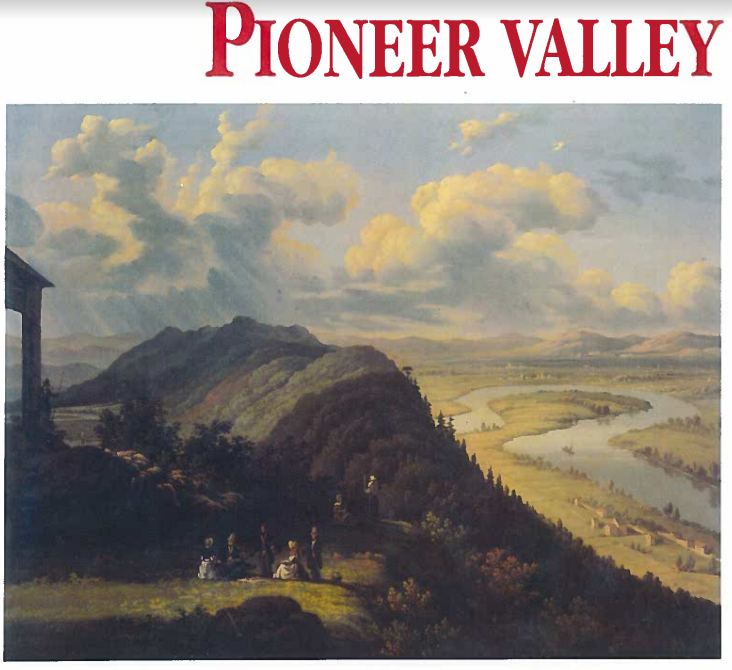
Visually rich history published by Guy McLain, Director of the Lyman and Merrie Wood Museum of Springfield History. Provides a rare glimpse into the evolution and history of western Massachusetts. Topics explored include European Settlement of the Valley, the Revolution and Shays’ Rebellion, Development of Transportation and Trade in the Valley, and Expansion of Business and Industry.
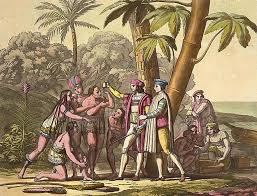
UPDATED WITH NEW RESOURCES - This lesson uses primary sources to explore one of the most remarkable cultural meetings in history: Spanish sponsored Italian explorer Christopher Columbus and the Native Americans from the Taino population in the Caribbean. Two key primary sources in this lesson are a letter from Columbus to the King and Queen of Spain and a 1562 map of European attitudes toward…
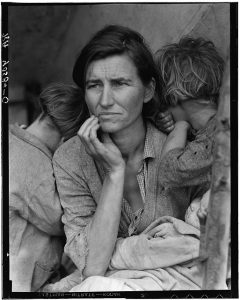
In the following lesson plan, students will look at the way in which events are reported on in history and how bias in the media affects peoples’ understanding of current events and history by analyzing both modern and historical newspaper articles. Throughout this unit, students will read and analyze Steinbeck’s Grapes of Wrath in relation to migrant workers and explore the…
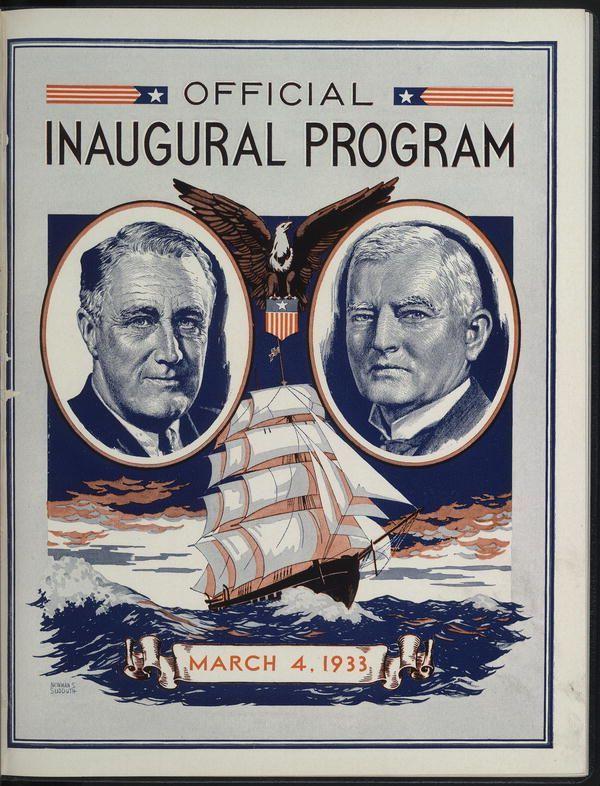
In this lesson students are asked to analyze Franklin Delano Roosevelt’s First Inaugural Address and to compare the promises made to his later work as president. Students will use a graphic organizer to list three of FDR’s promises in the speech and then use secondary resources to research whether he fulfilled those promises. This lesson is the first lesson within a mini-unit in which students…