
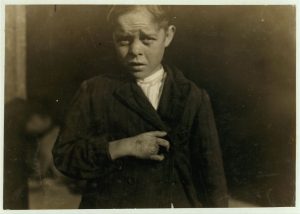
In this lesson students will learn that incurring a disability at work was a common occurrence of the Industrial Revolution. This lesson integrates disability history content within a larger 14-day unit on the Industrial Revolution. The lesson plan provides a series of activities that highlight the importance of children and adults with disabilities in 19th century workplaces, and the…
Welcome to the Emerging America resource library. Browse our ever-growing collection of primary source sets, lesson plans, classroom assessments, and more, developed by teachers and edited for quality and consistency. Use the controls in the blue box to search and filter by Type, Subject, Time Period, and Grade Level.
NOTE: Use the website search engine (above) to find resources–such as apps and curriculum from other organizations–that appear only in the blog.
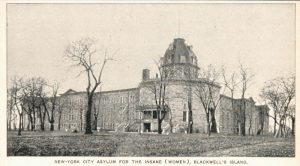
In this lesson, students will explore several primary sources addressing the treatment of people with mental illness at Blackwell Island in New York in the mid to late 1800s. After analyzing the sources, students will discuss our responsibility and the responsibility of government to people with mental illness and cognitive disability. Period film, photographs, maps, and a written…
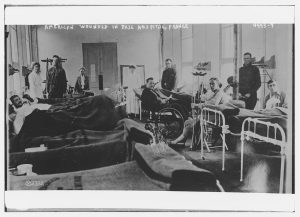
The lesson invites students to think about what life was like as a disabled veteran of WWI and to connect to background knowledge as well as personal experiences. The teacher will provide historical information and guide the class in a read-aloud from the perspective of a soldier wounded and recuperating in Italy from Ernest Hemingway’s “In Another Country.”
The lesson provides…
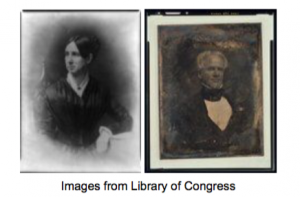
The instrumental role Dorothea Dix played in reforming prisons and mental institutions, and the actions of Horace Mann in his campaign for free public education are at the center of this lesson. How did improvements in conditions for people in the public charge, whether prisoners or people institutionalized because of disability, come about? How did the the idea of who gets to be educated…
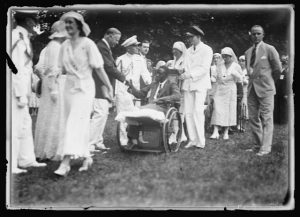
Care for veterans is relevant to understanding war and the role of government, and is critical to disability history. In this lesson, students gather information through a variety of primary sources on the experiences of veterans from the War of Independence through today. They ask, ‘How has U.S. government care for veterans changed over time?’ Using their evidence, students develop a proposal…